Cuelgamuros' Valley Memorial
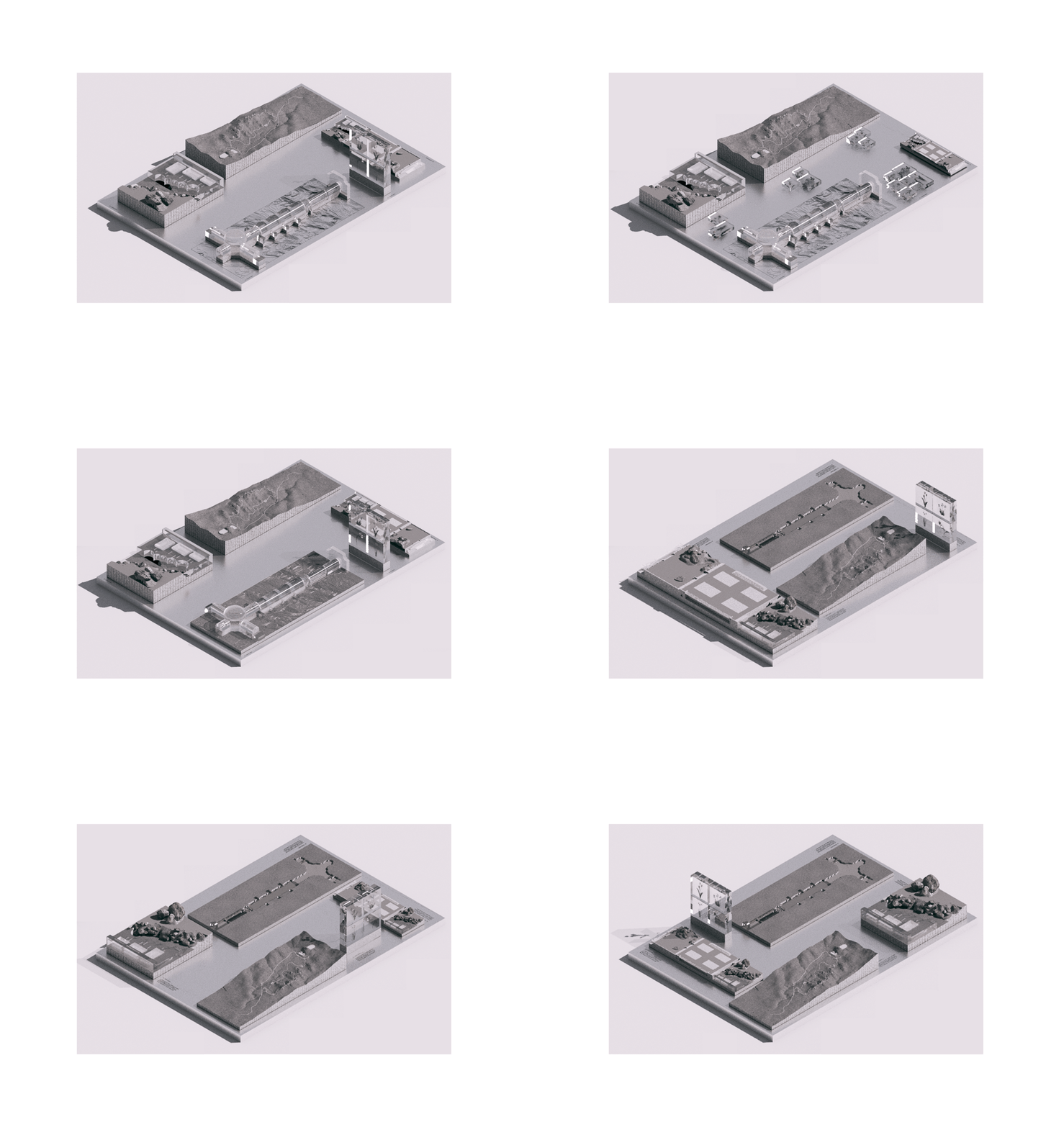
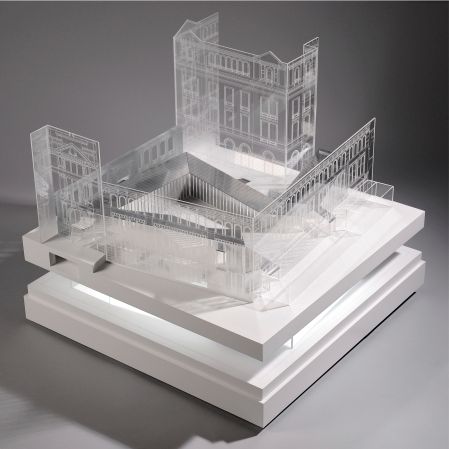
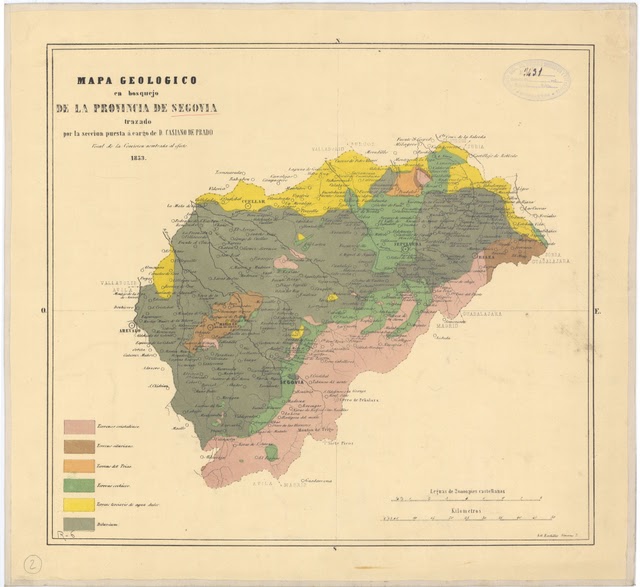
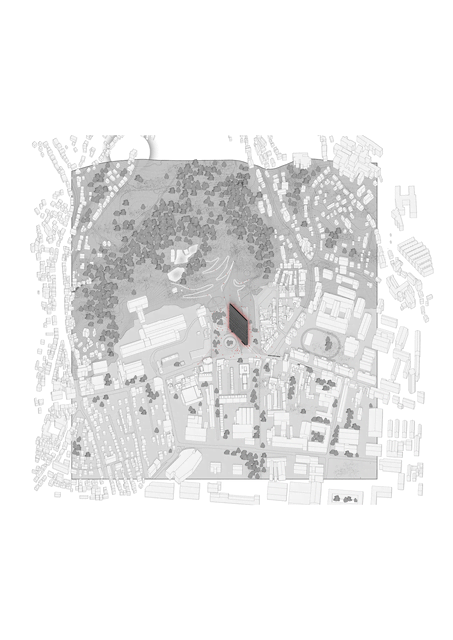
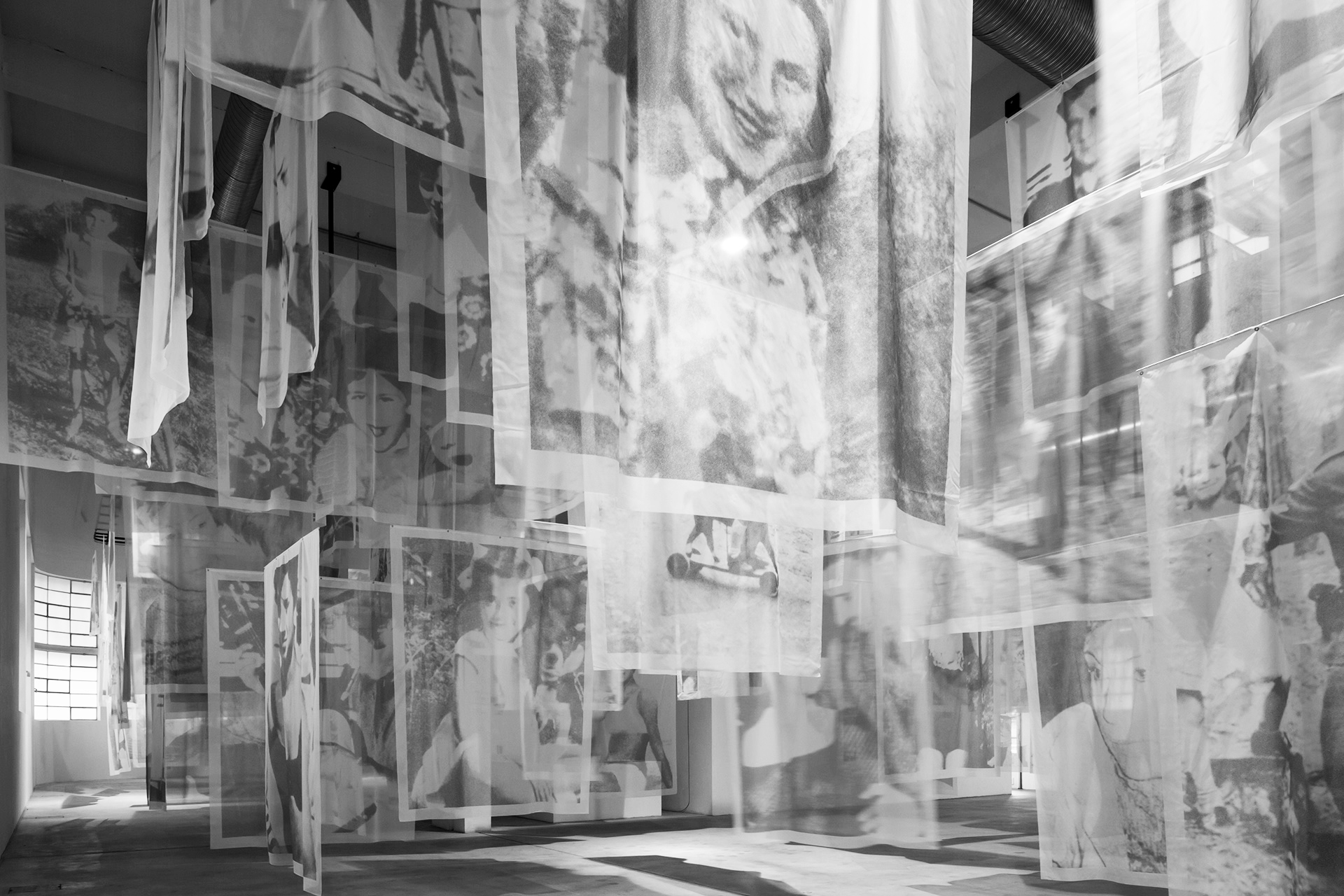
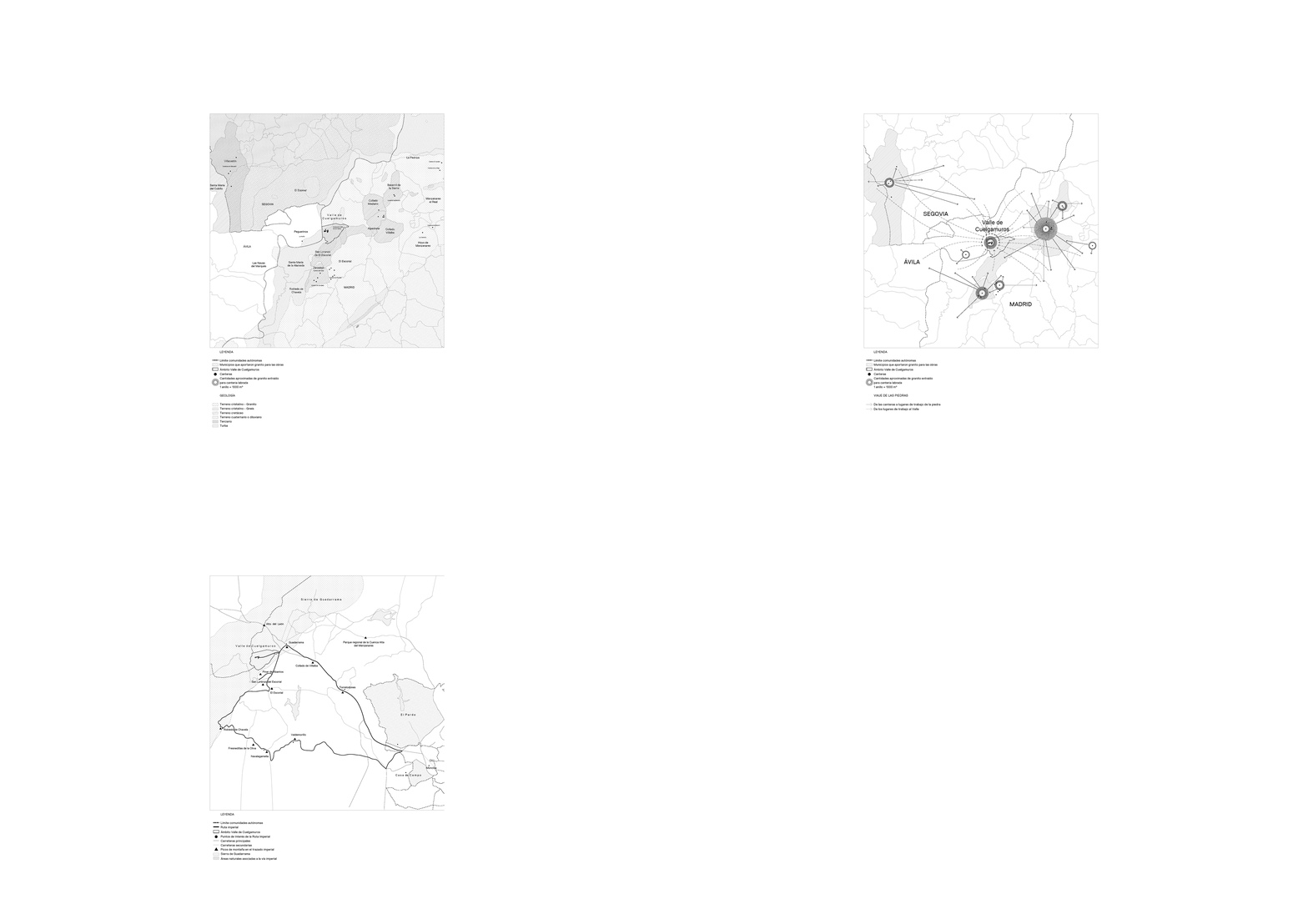
The reinterpretation project is carried out through a series of interconnected operations located on the exterior platforms, inside the Basilica, and in different places in the Cuelgamuros Valley. Our ambition is to merge the reinterpretation of the complex into a single work of architecture, landscape and art, with a project that draws on the power of this place, its geology, its ecology, its history — both collective and personal — and its culture, the fundamental elements to transform it into a space for reconciliation and to vindicate the dignity of those who died in the war and under the dictatorship.
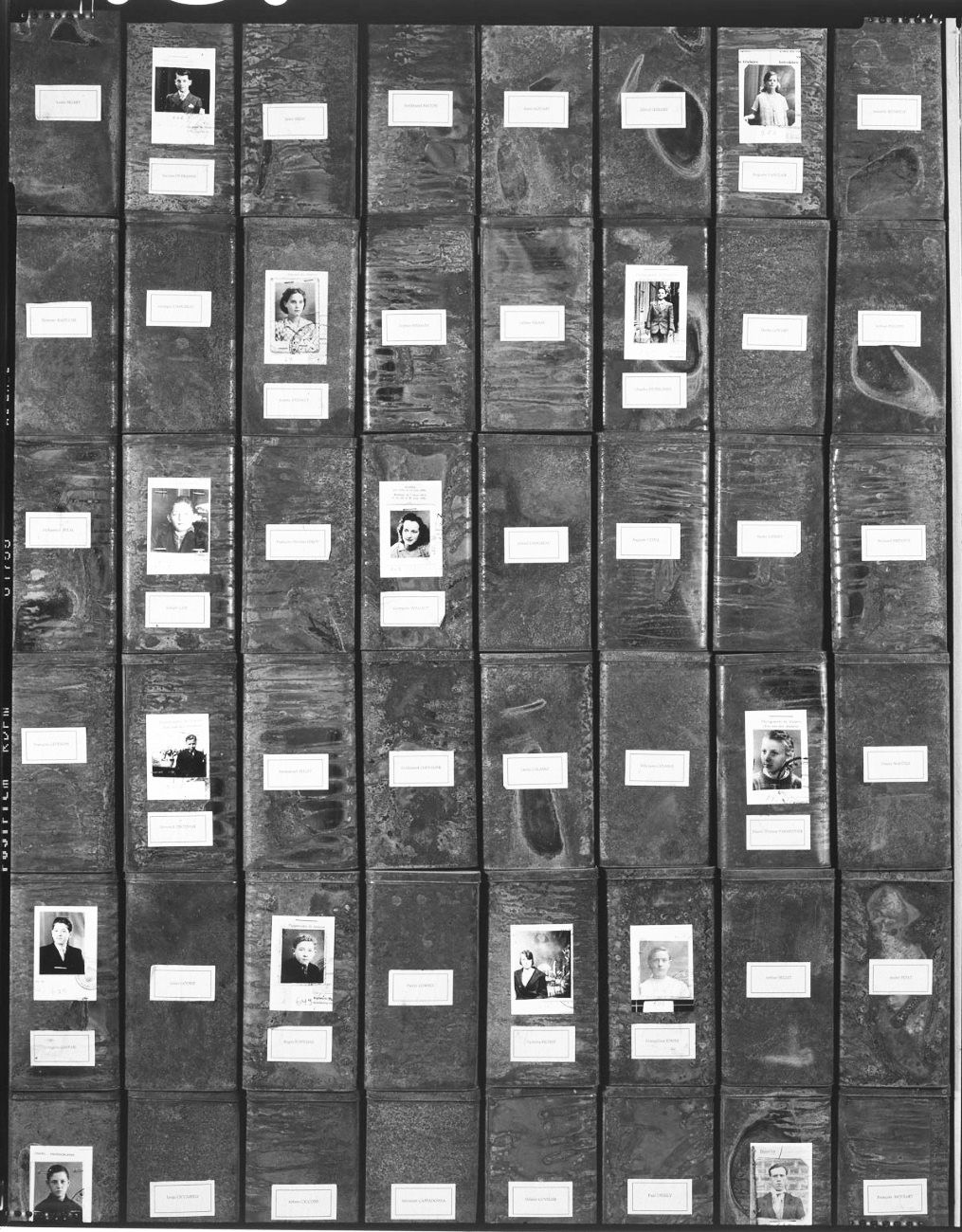
This project seeks to express its rejection of violence by using as fundamental elements the perception of past time and life, which is constantly renewed by the force of nature. It also seeks to speak out against the catastrophe and human tragedy caused by war, vindicating the victims, each one of them and their circumstances. The radical transformation of this ceremonial site and its surroundings aim to add to the monumental spaces that universally commemorate the horror of war, violence and the pain and suffering of its victims.
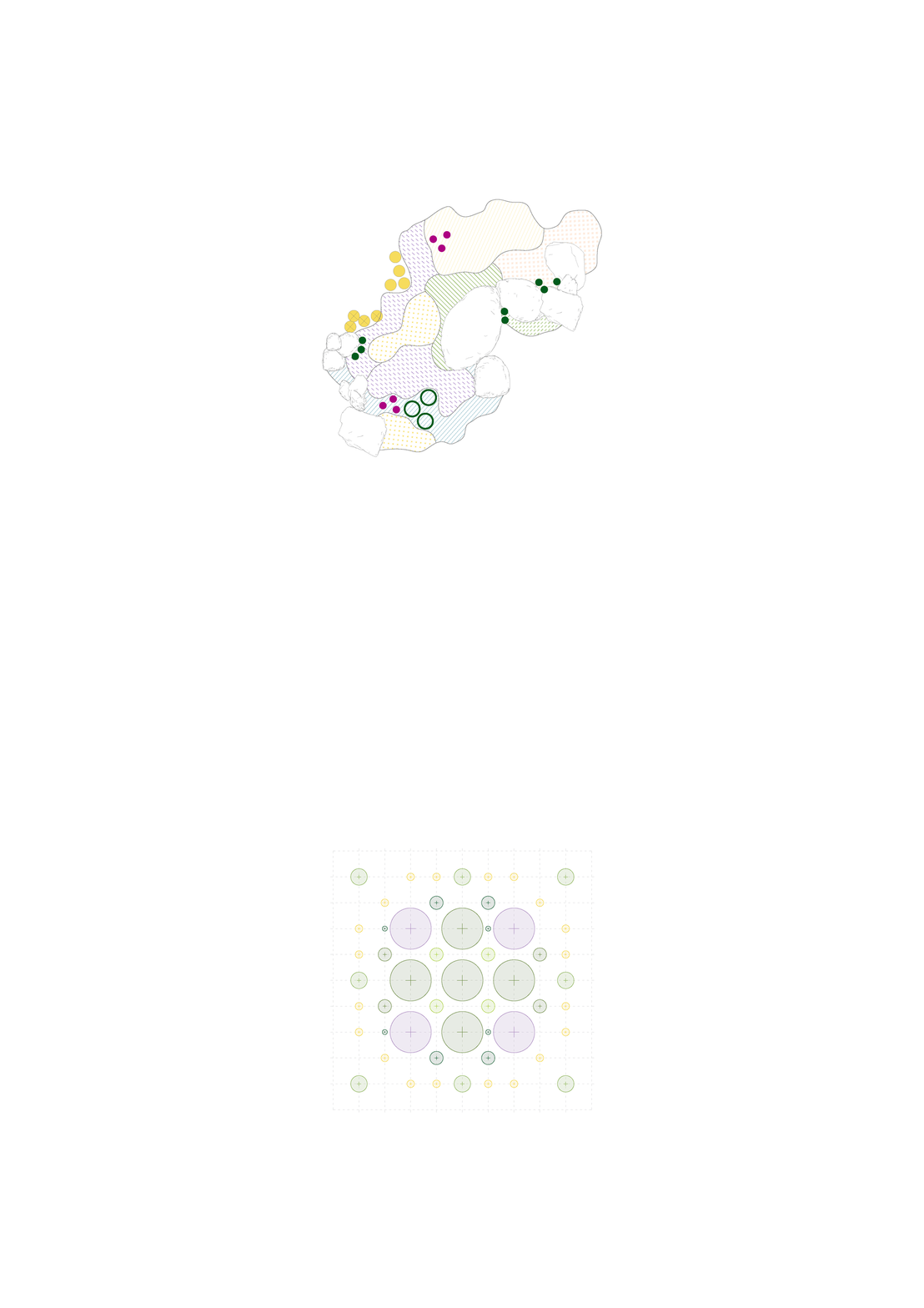
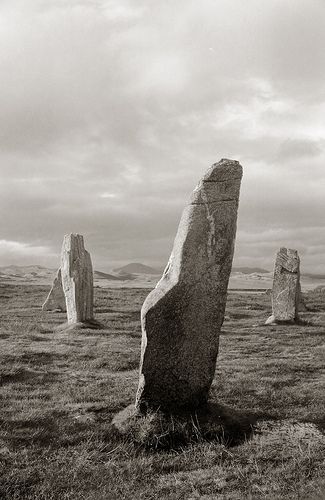
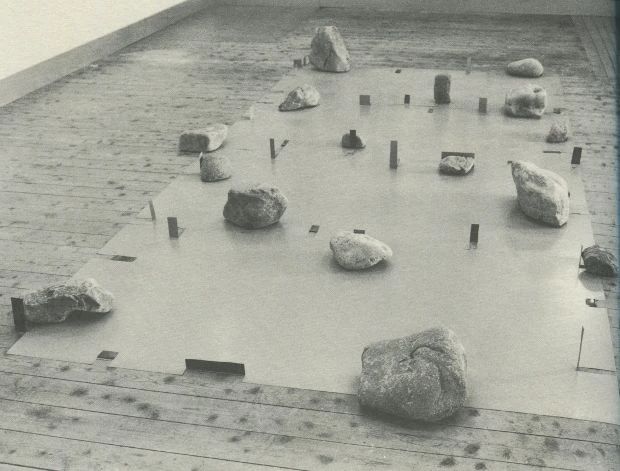
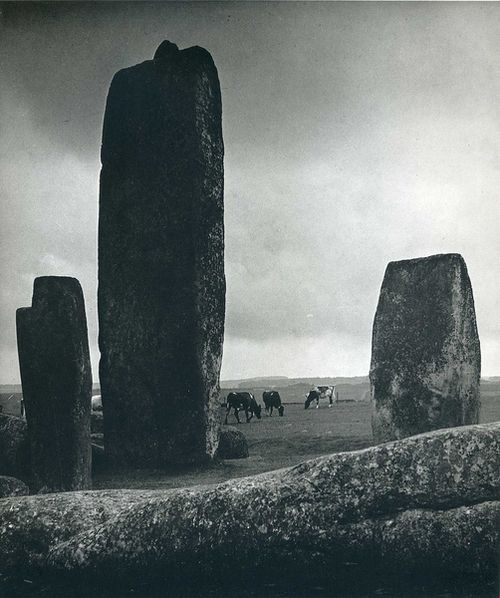
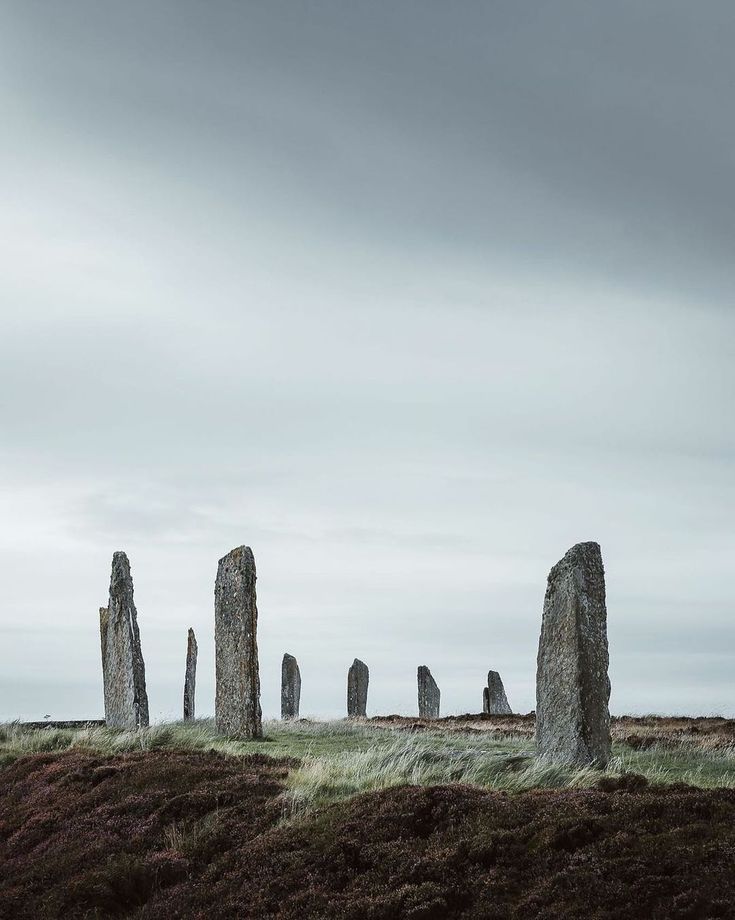
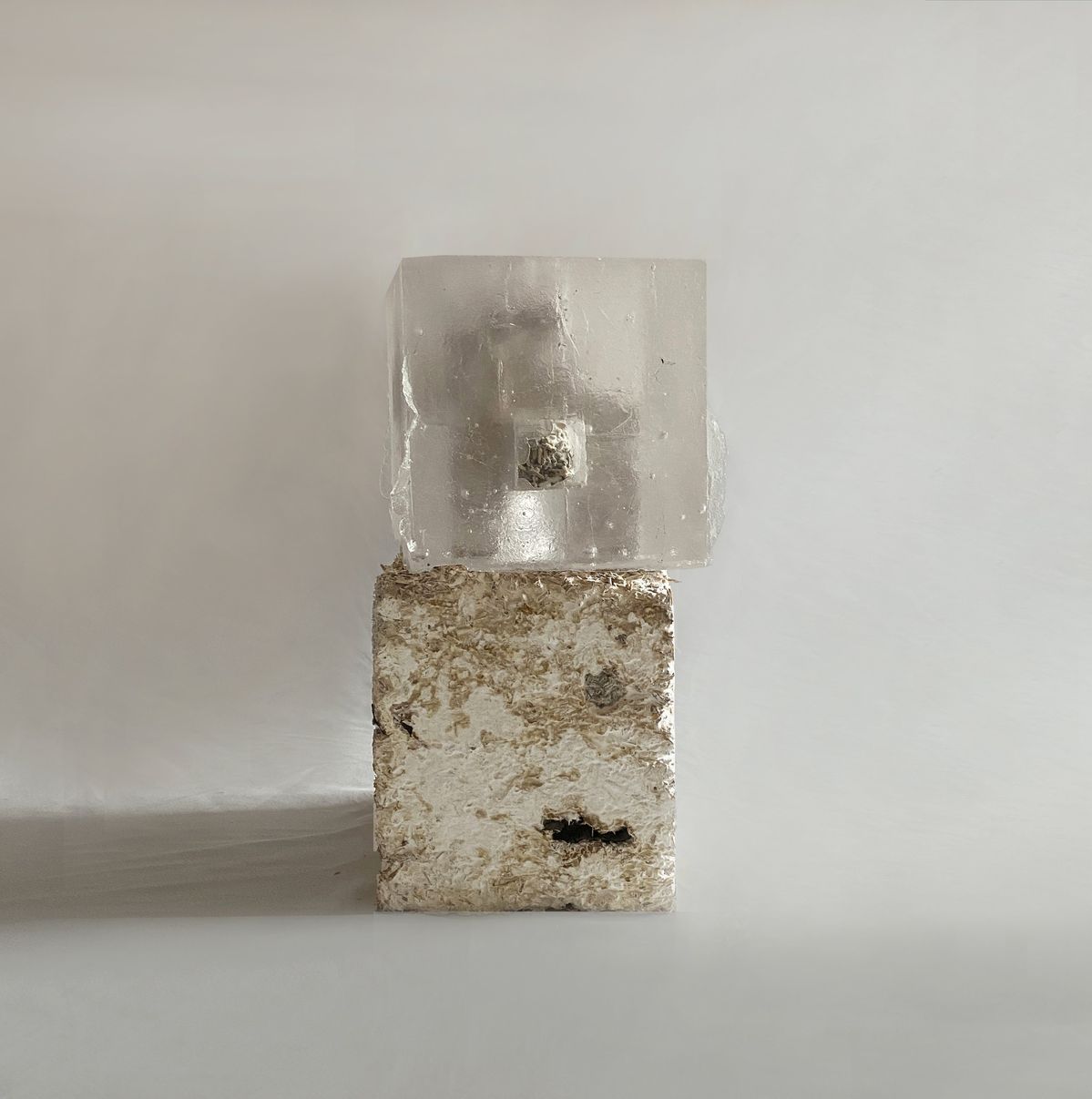
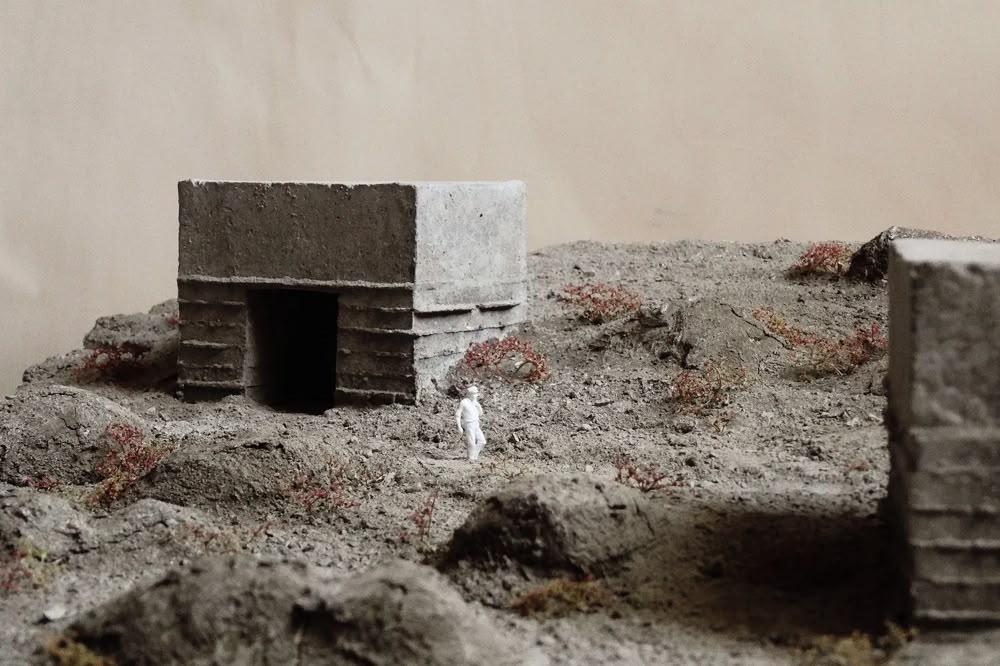
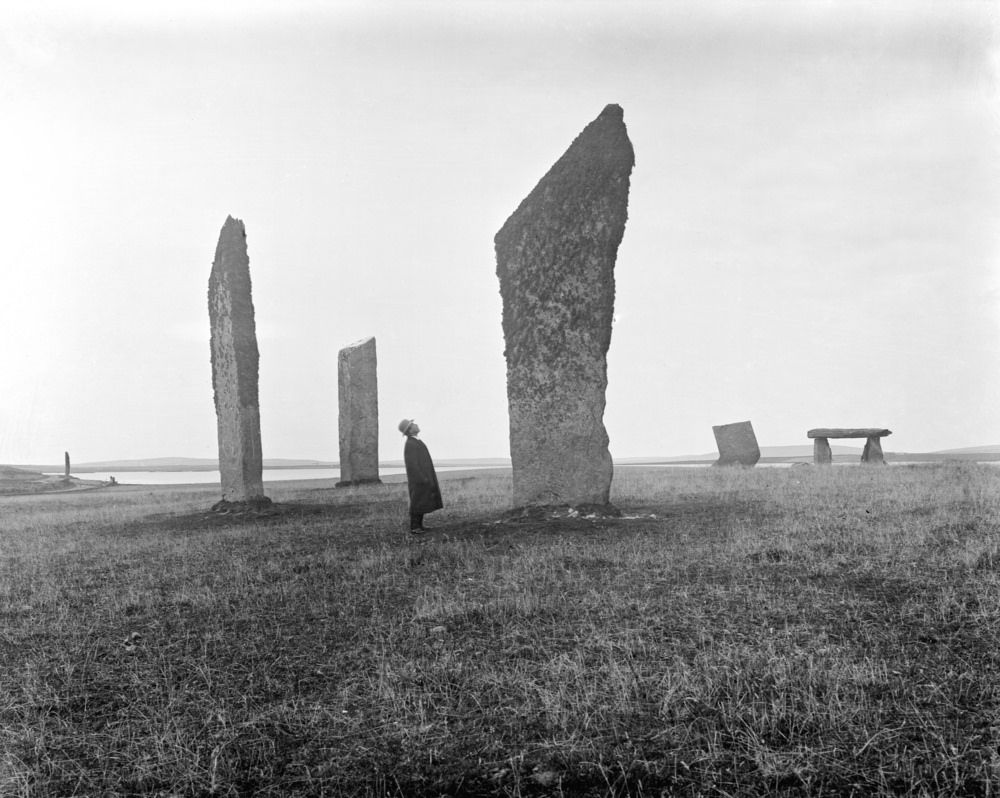
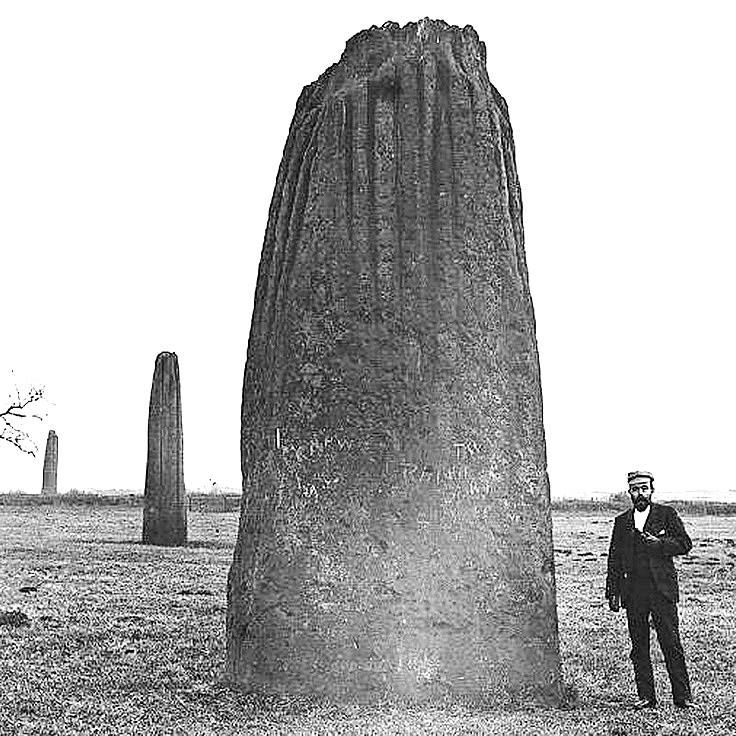
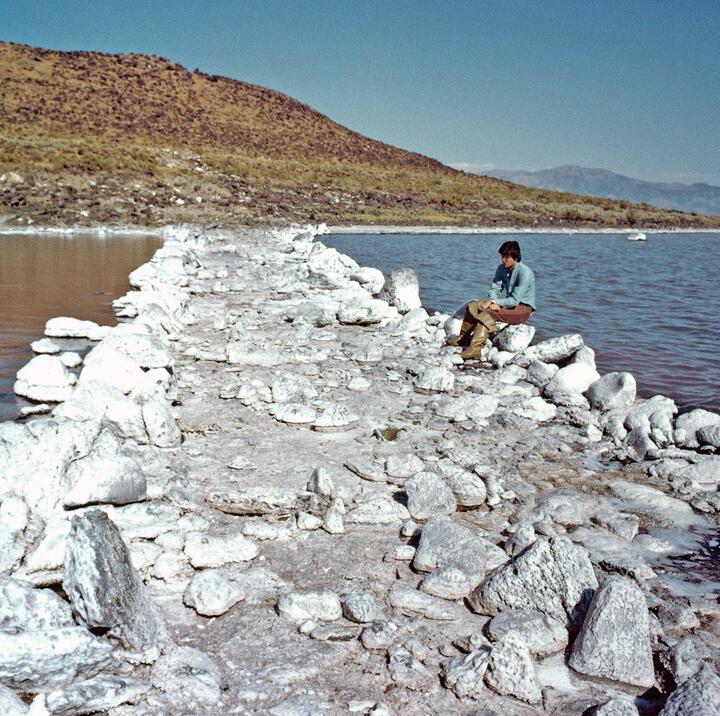
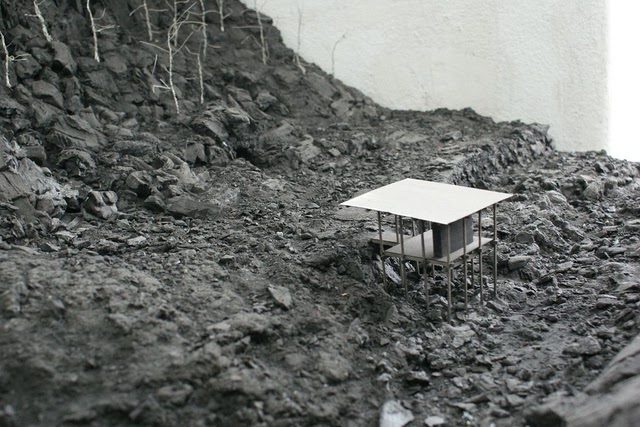
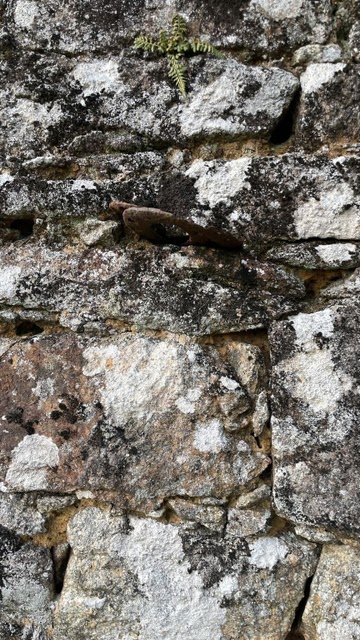
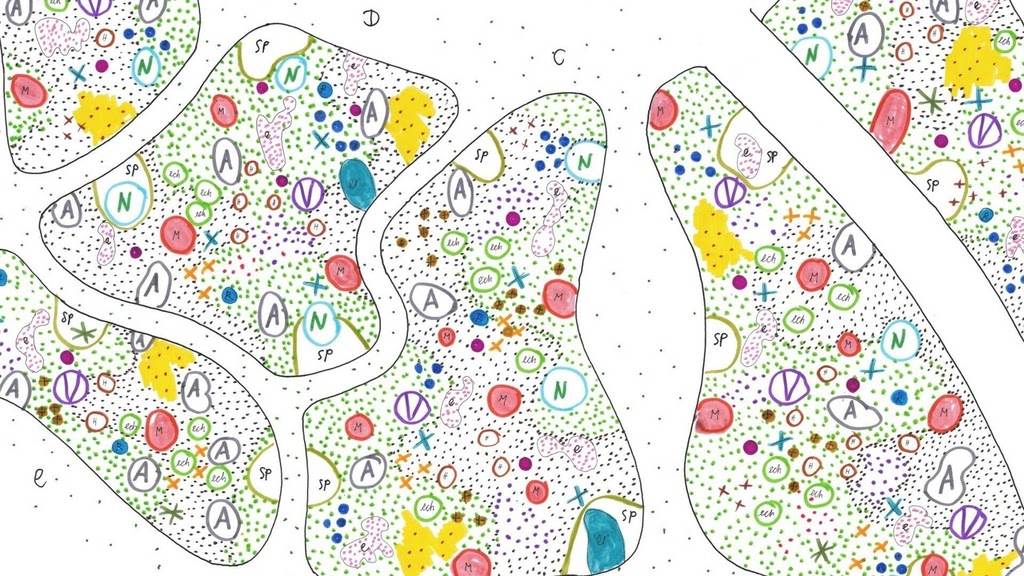
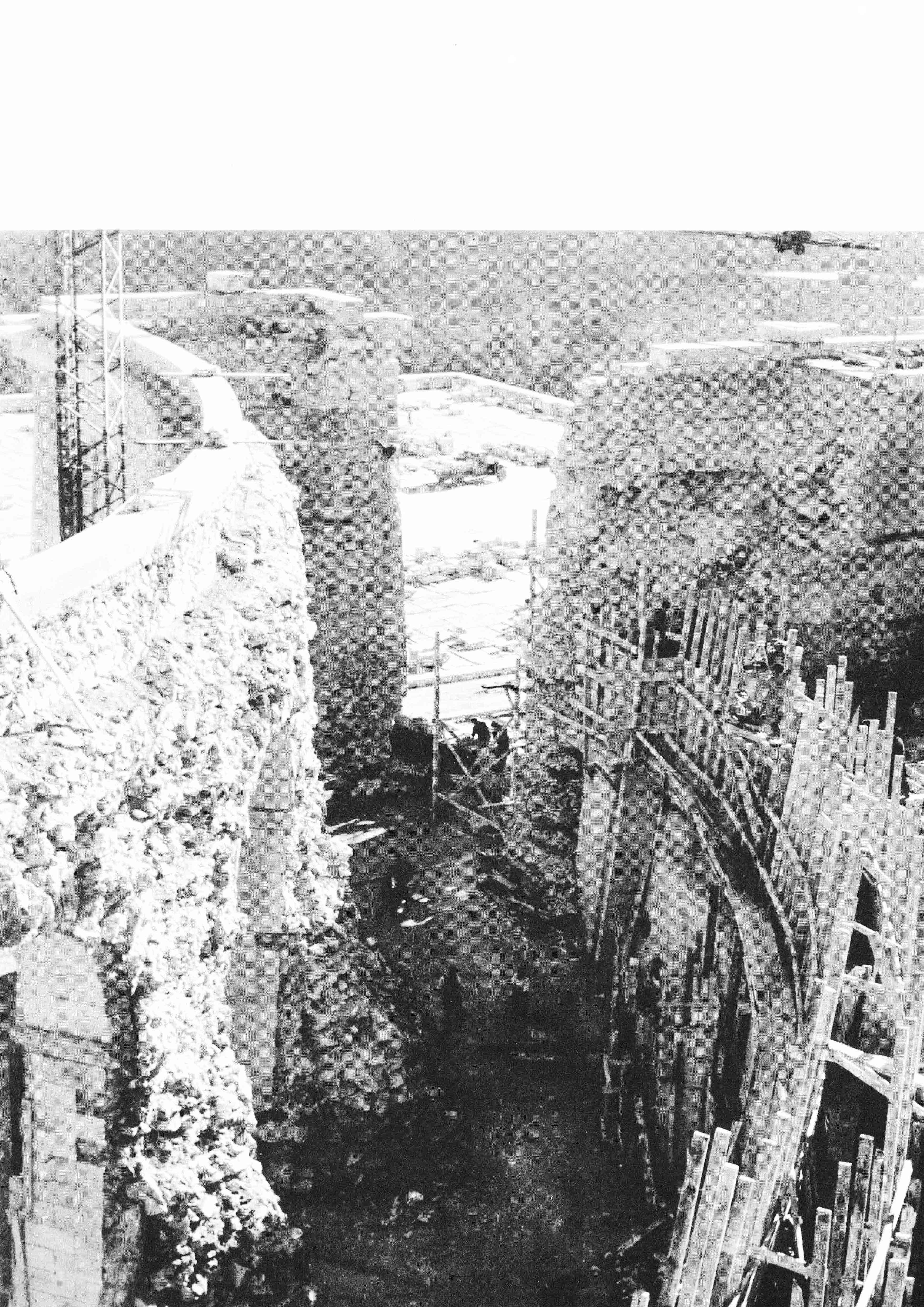
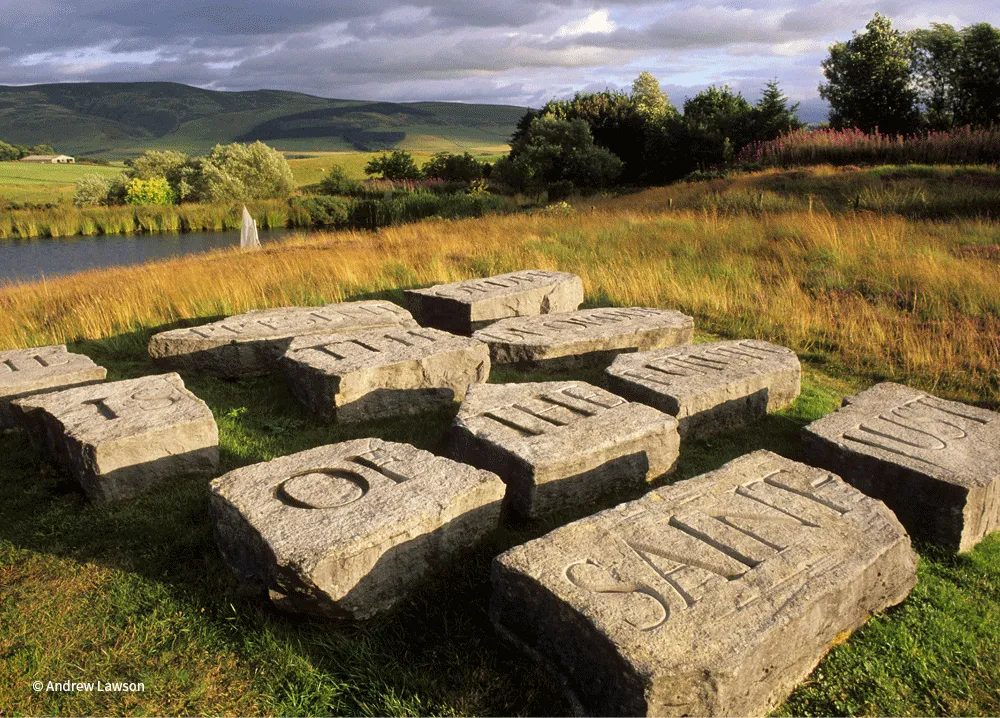
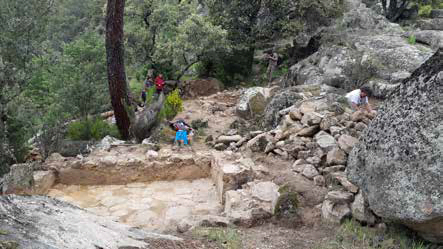
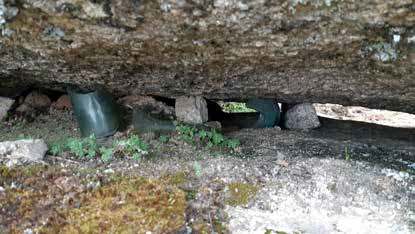
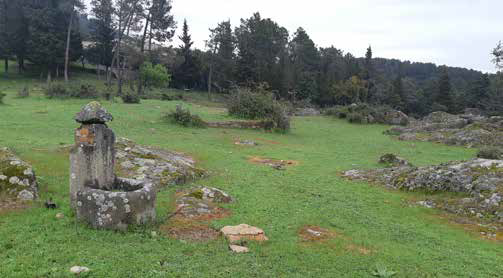
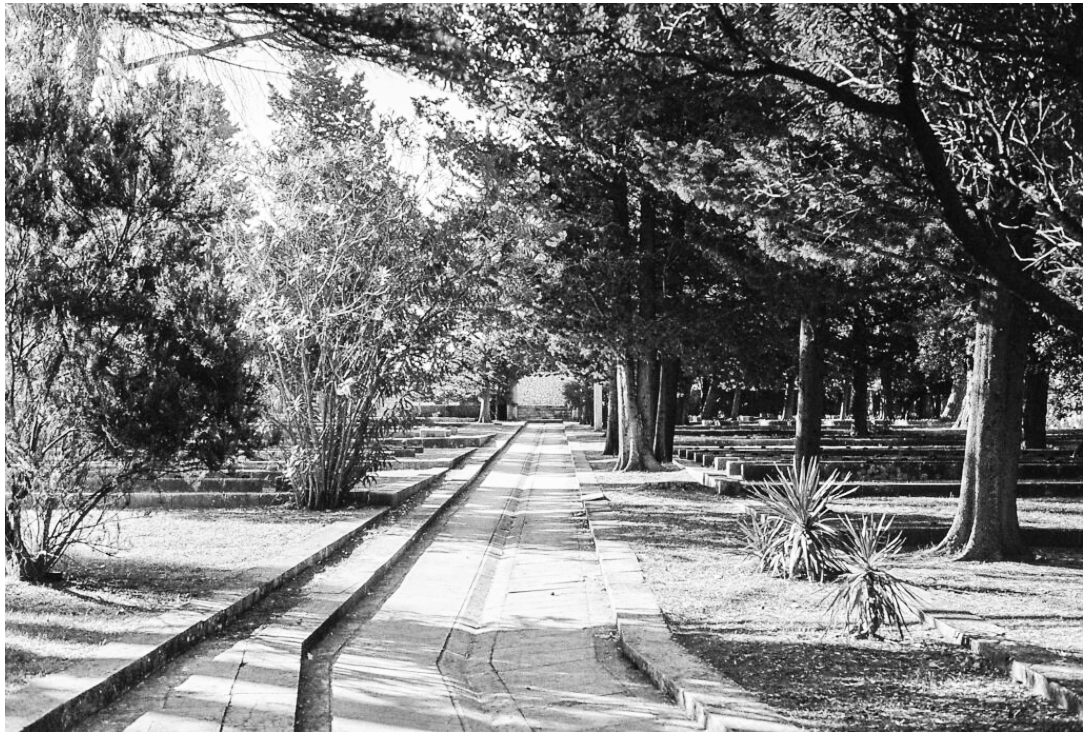
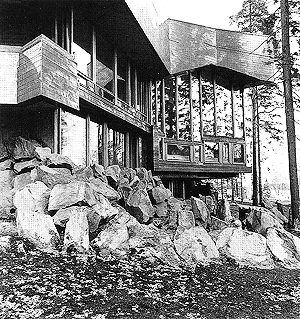
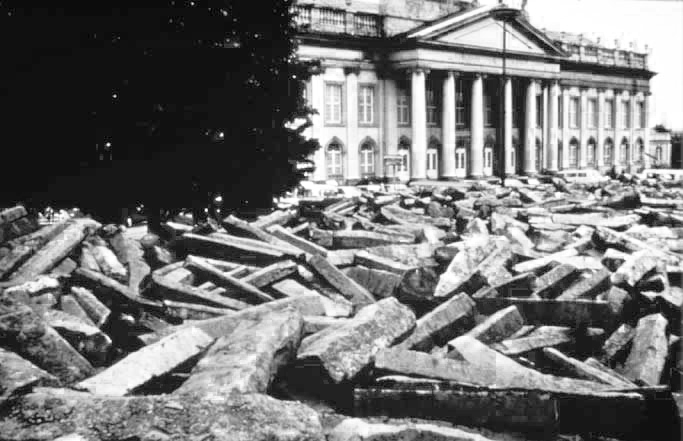
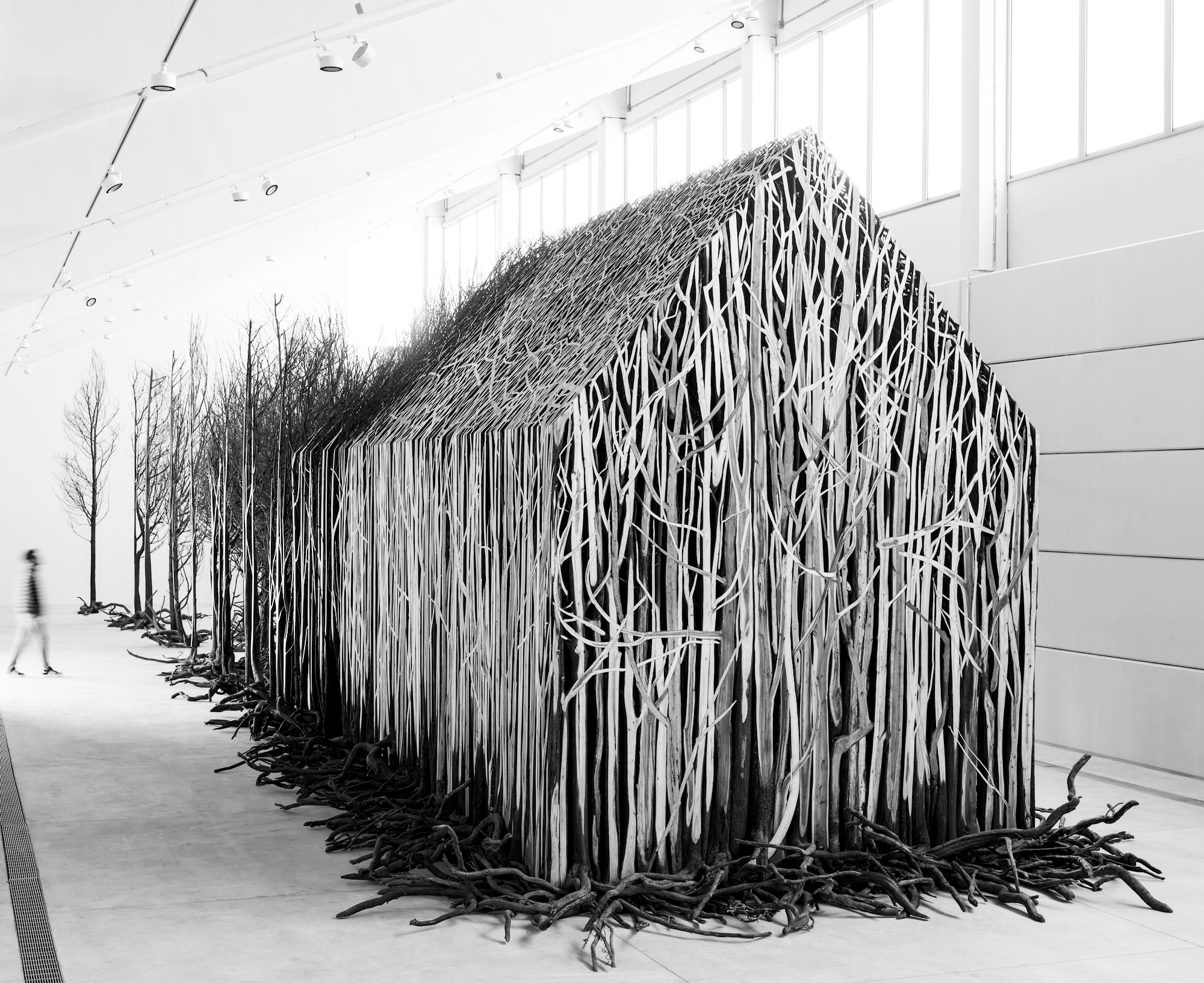
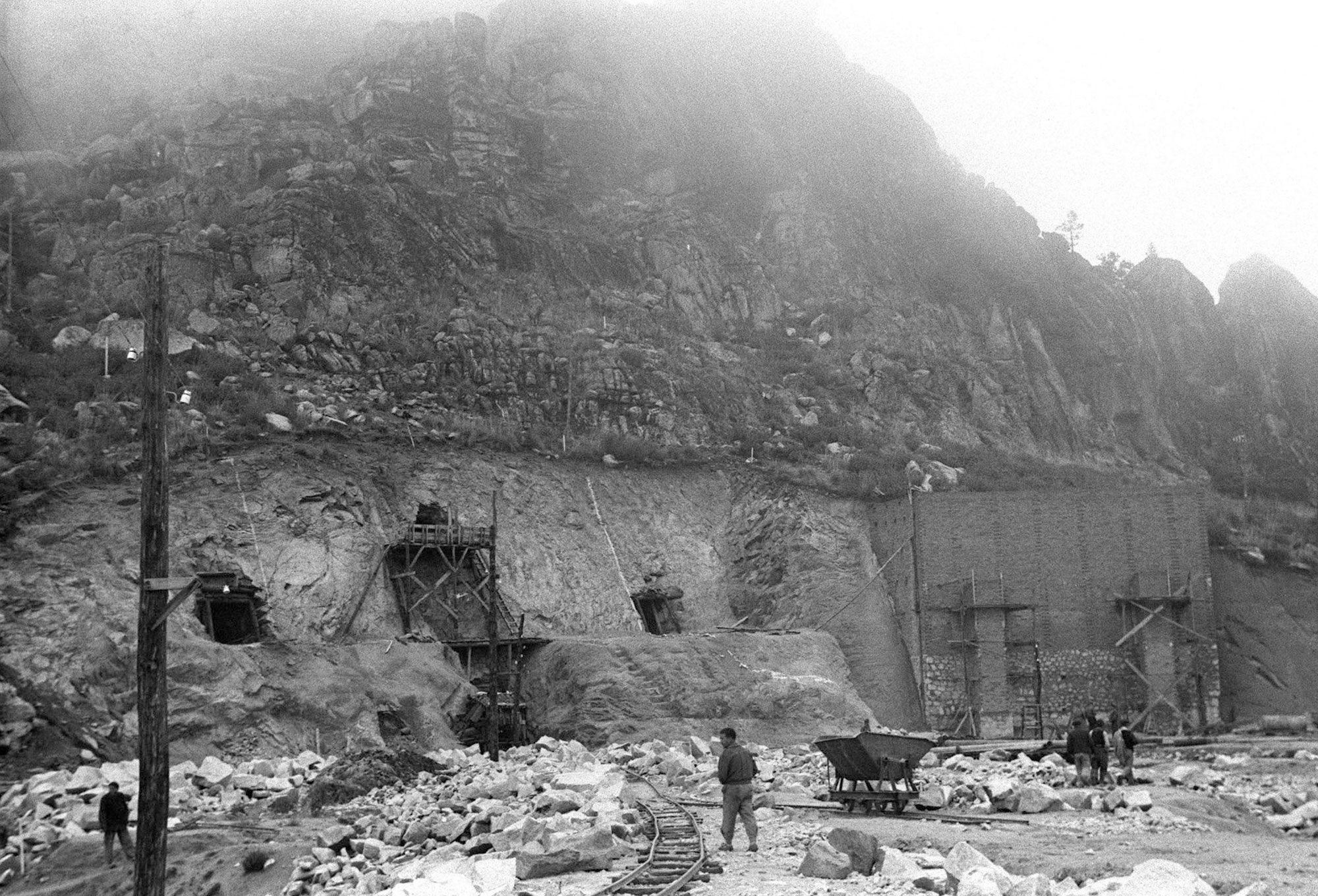
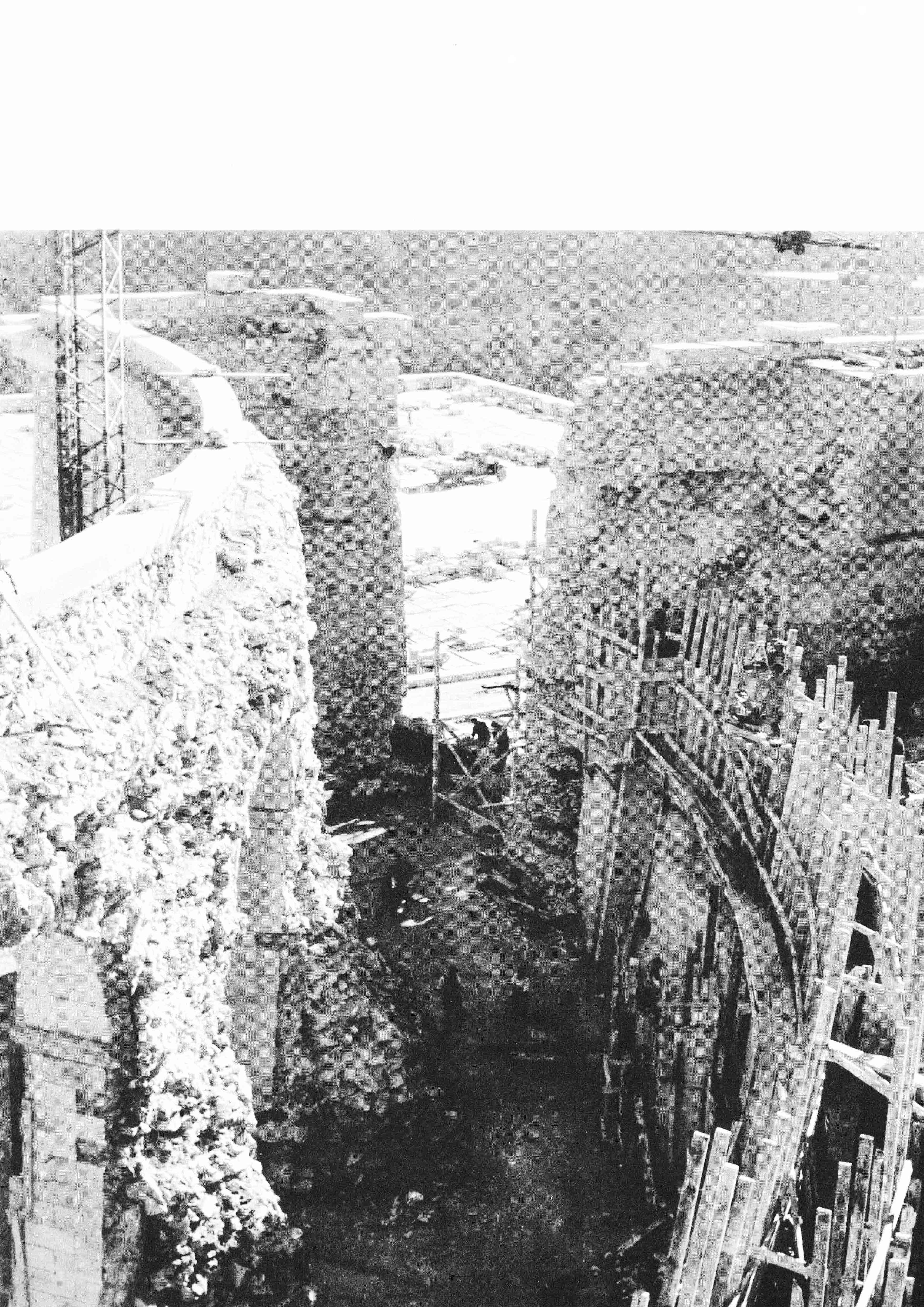
The interventions we propose in different parts of the Valley extend the reinterpretation of the Complex to the surrounding landscape, bringing it together as a fundamental material. These actions are located on the Way of the Cross, in the “villages” and in some clearings, paths and trails that link these places in the forest. It is a set of “scenarios” created with plantations that require no maintenance, halfway between the artifice of the garden and the naturalness of the forest, which mark places and configure spaces, and with more “architectural” elements constructed from the stone and archaeological remains that will emerge from the excavations — tons of stone and various debris — required for the work on the Interpretation Centre. They form primitive, archetypal figures that will also change over time. They will deteriorate and fall into ruin. These granite and gneiss rocks are the same ones that were extracted from inside the cliff during the excavation of the Basilica and deposited to form the platforms. Now they have found another purpose.


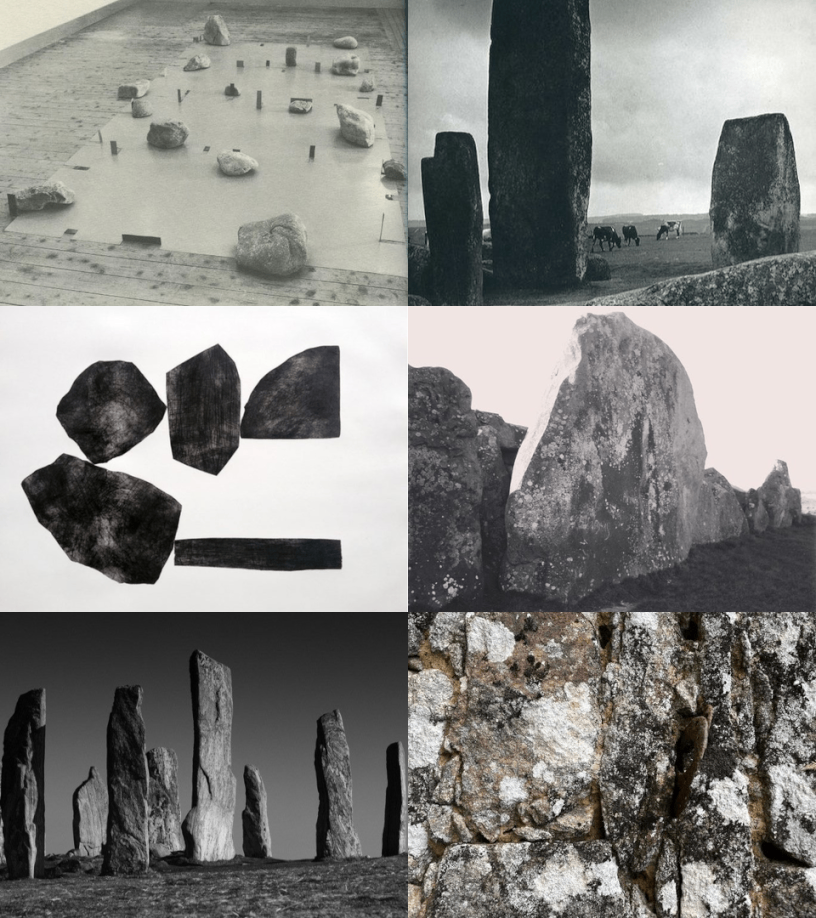

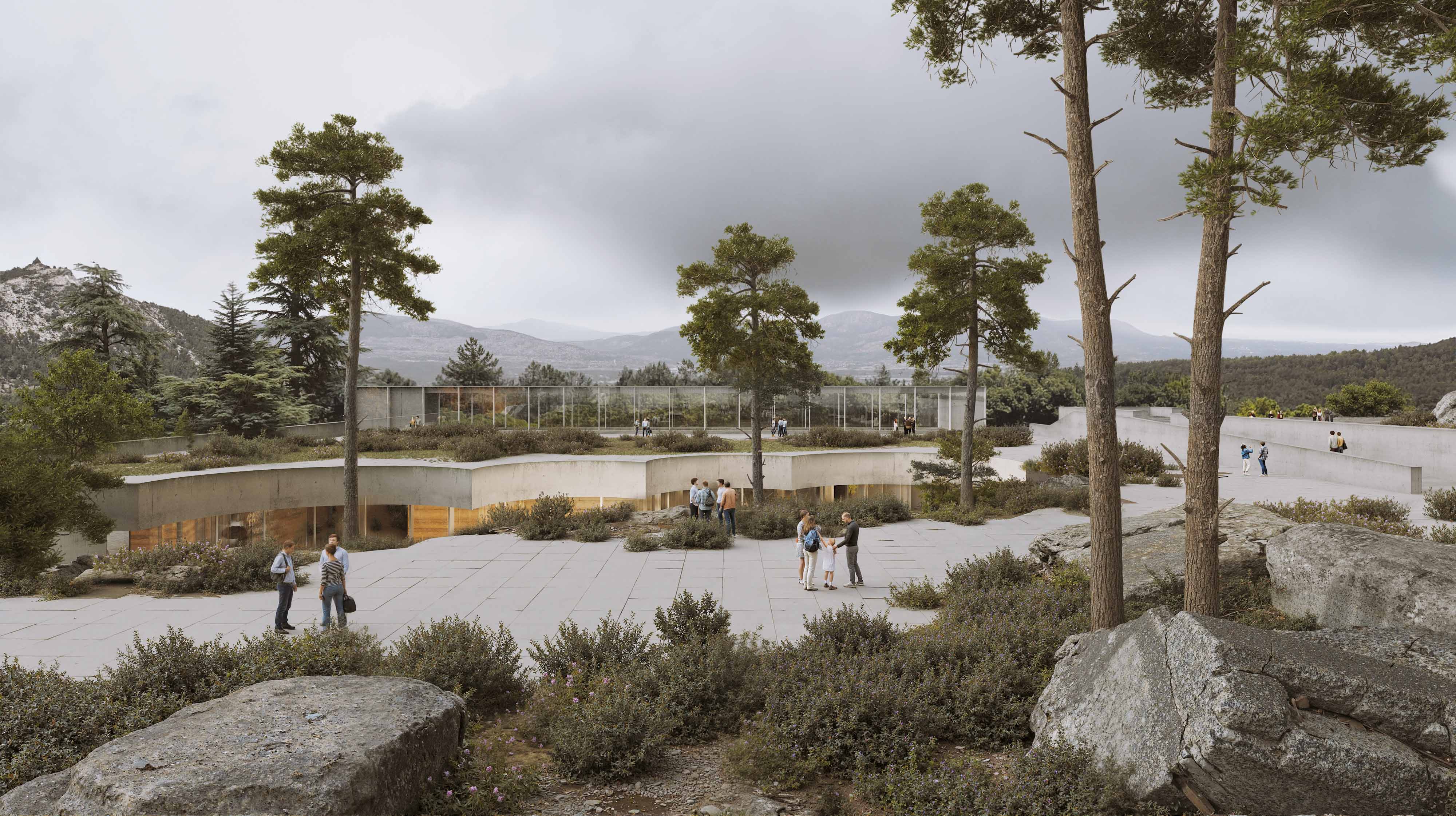
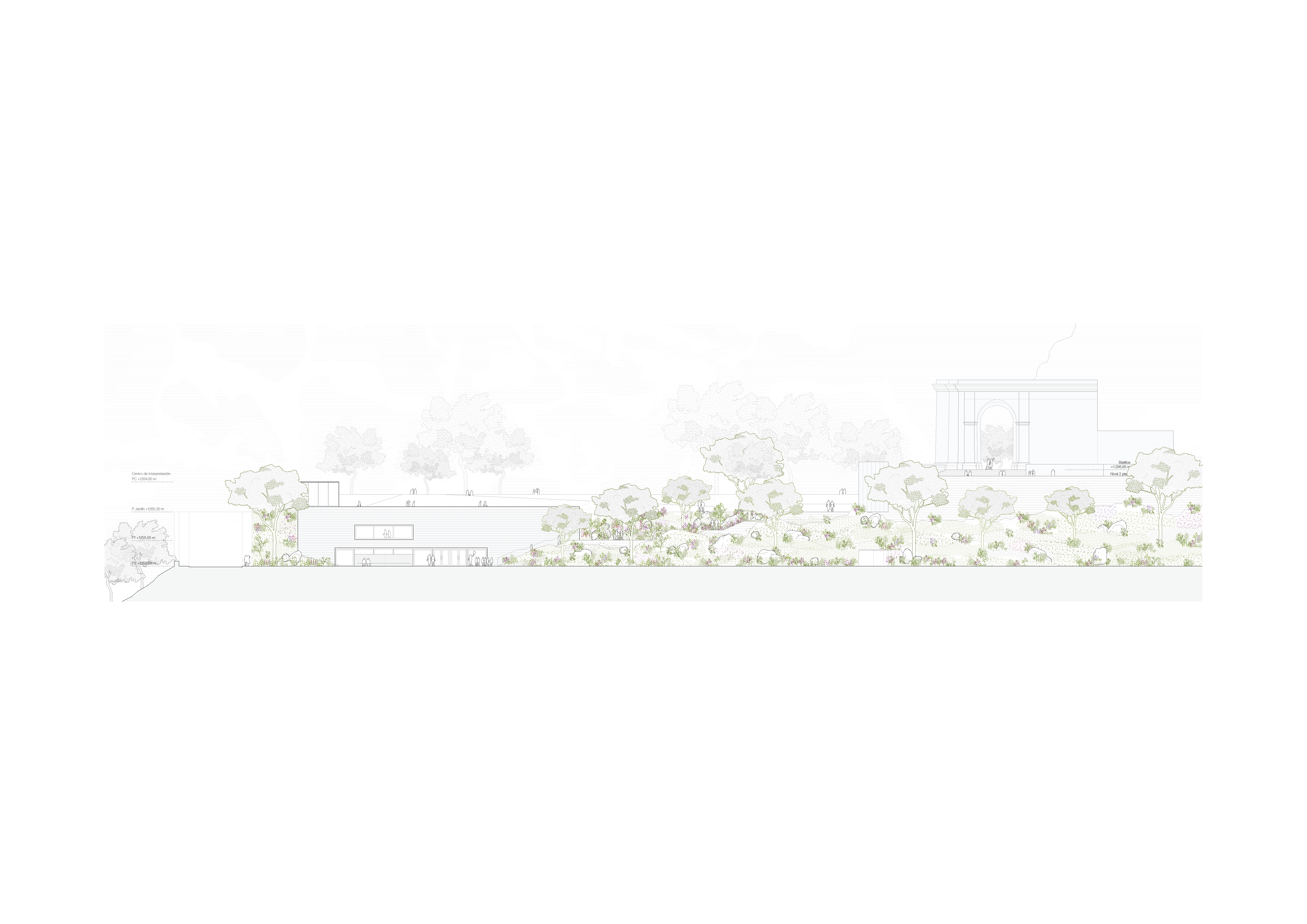
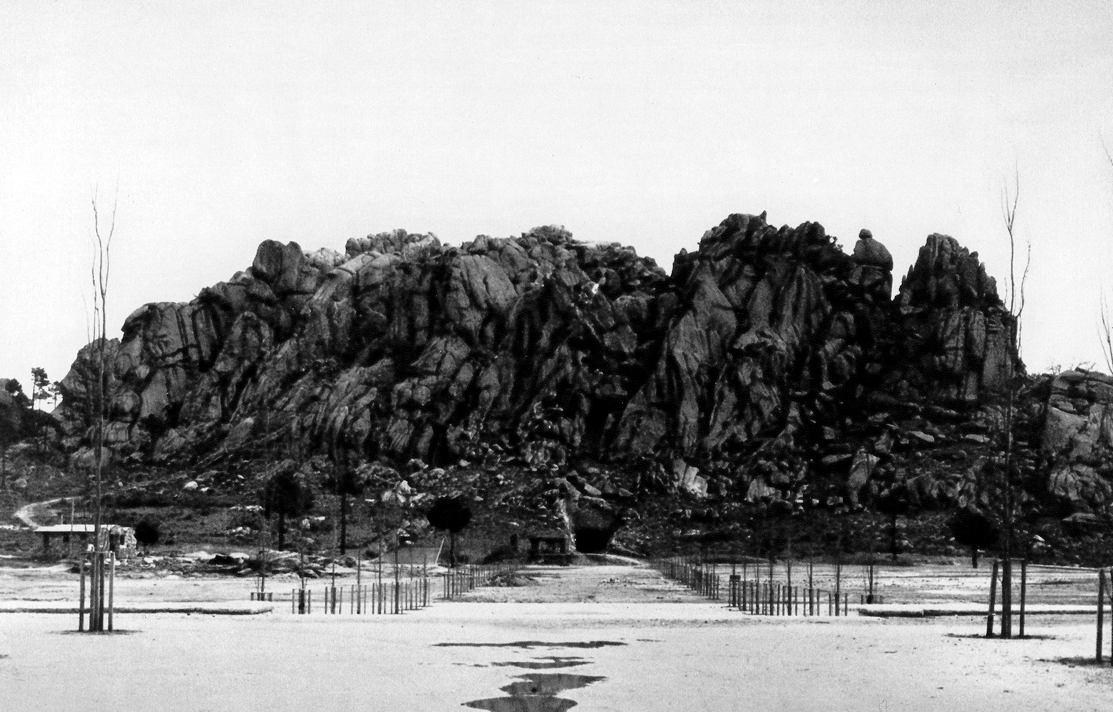
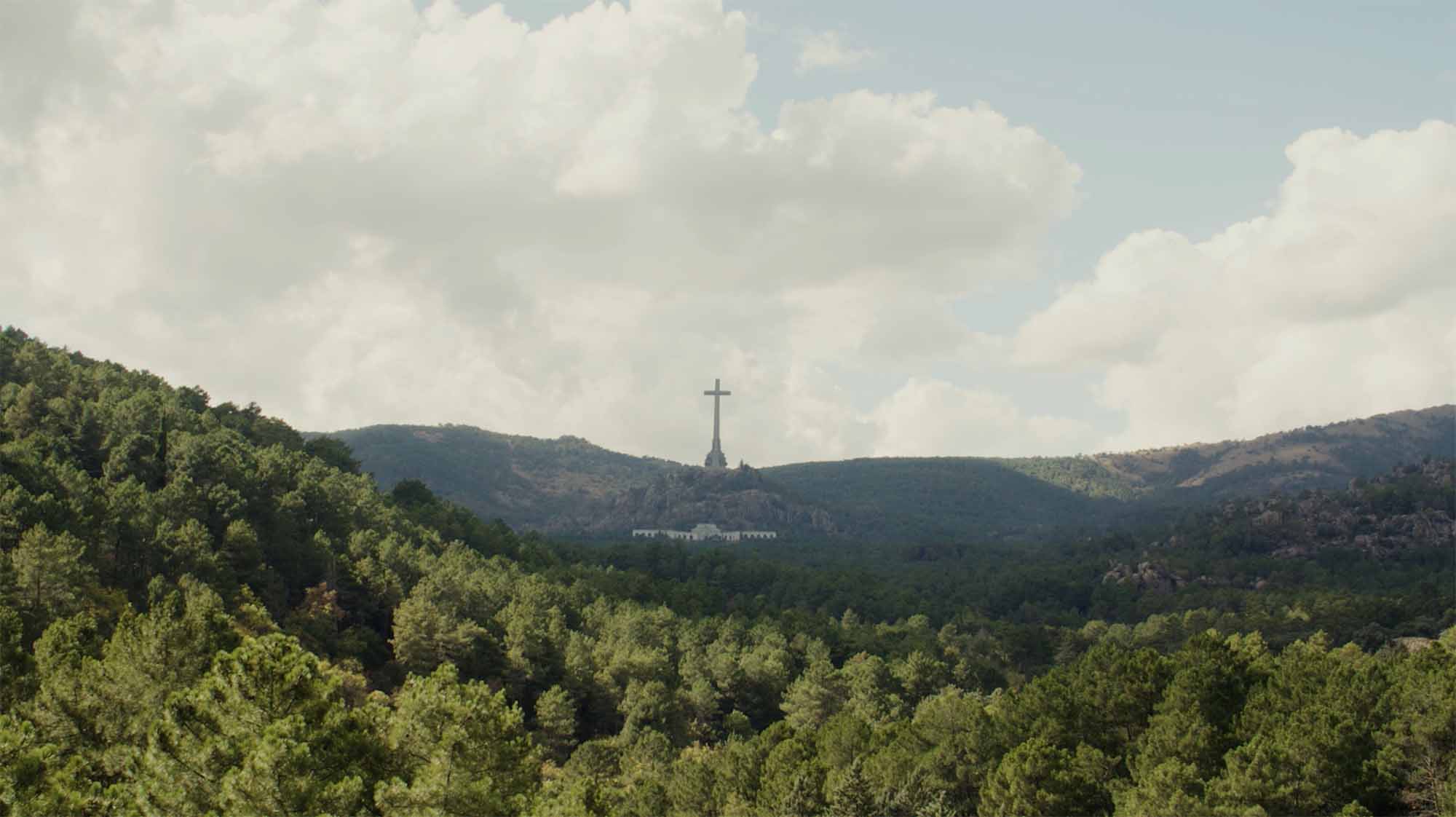
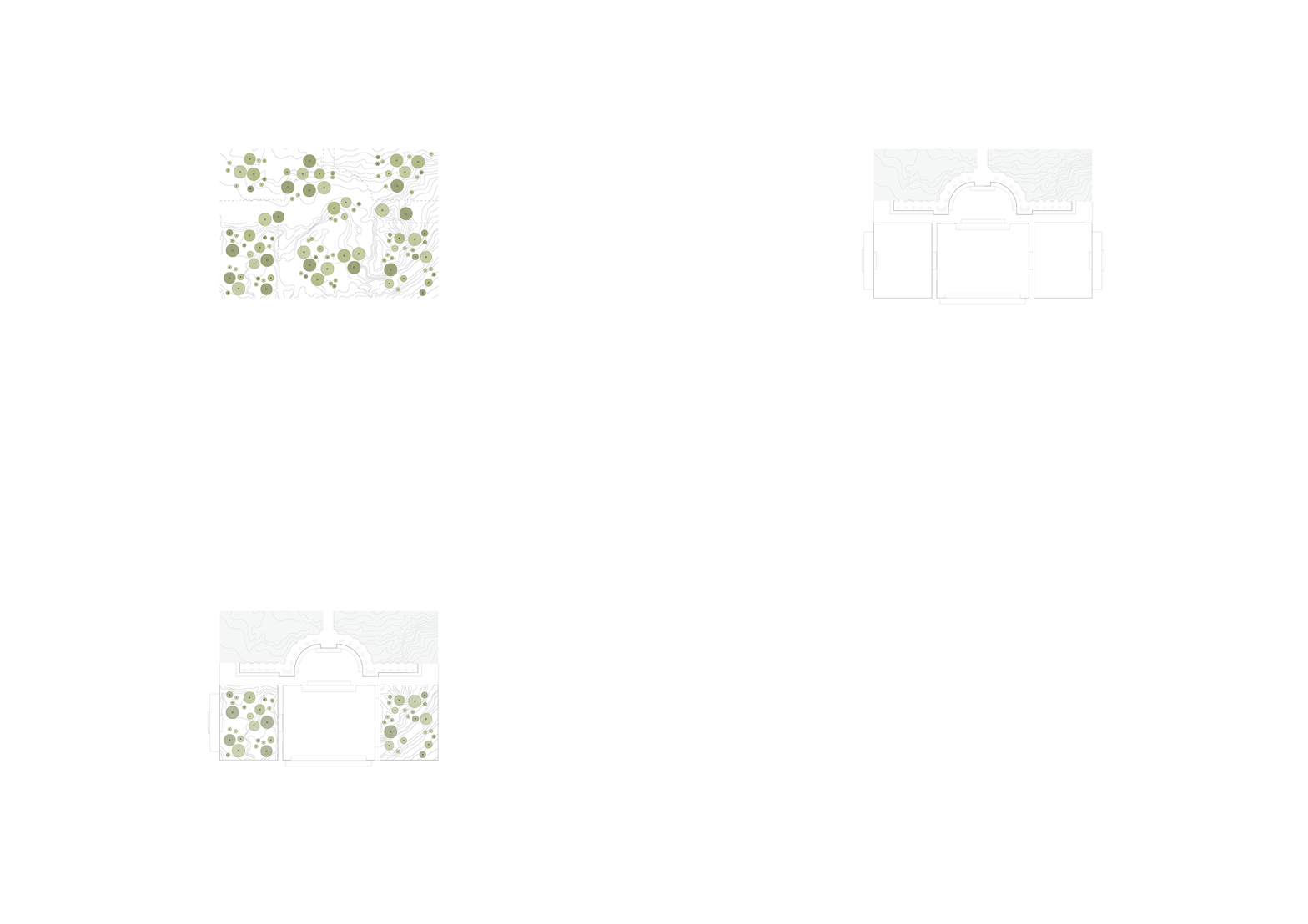
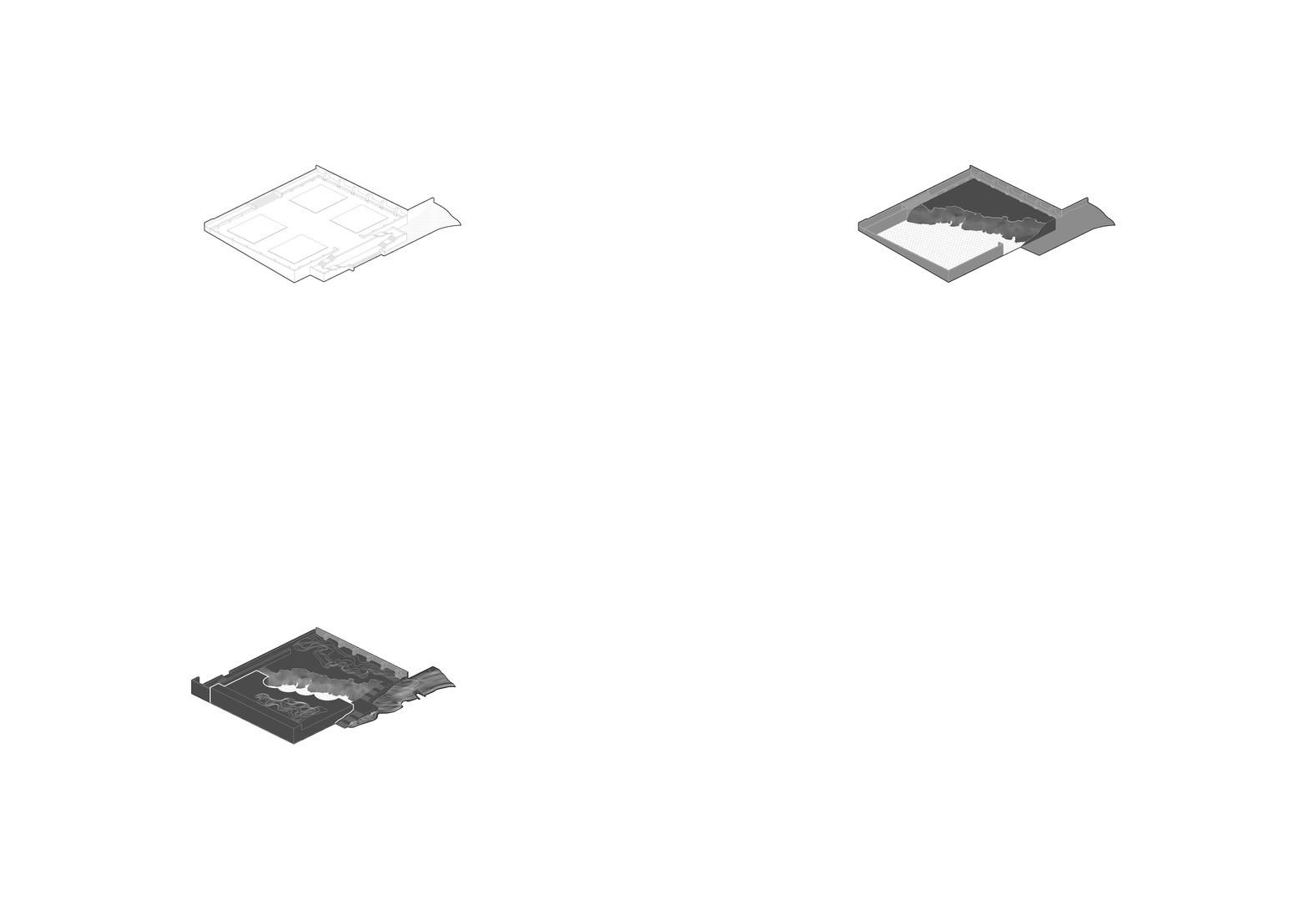
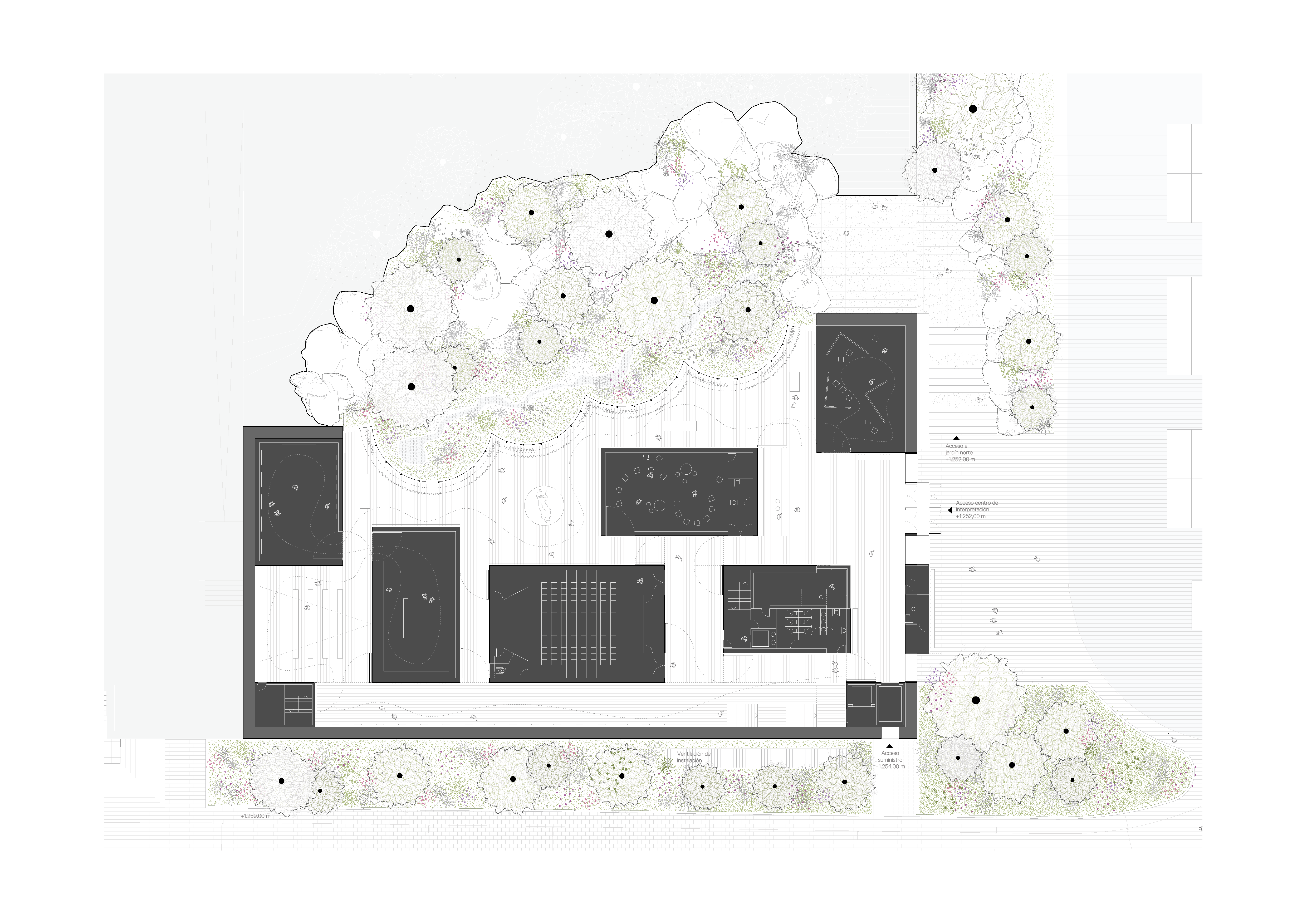
Through a topographical and vegetal intervention that includes the Interpretation Centre itself, the platforms will be transformed into “vegetal” spaces that reinterpret the natural conditions prior to the construction of the Monument. But we do not intend to turn back time, which would dissolve memory. We want to give this place a new lease of life, incorporating the ever-changing strength of the world's pulse. These “natural” spaces will alter the experience of the routes that culminate in the Basilica; they will diminish the presence of the Cross —which at times will only be glimpsed among the treetops—; create a more intimate, shaded space conducive to reflective walking; build an intermediate scale between the territory and a “healing garden”; and highlight the value of the “soil”, the land, our basic support, as the fundamental repository of time and memory. Beneath this ground, the Interpretation Centre is designed as a “grotto”, which also oscillates between the natural and the artificial, the telluric and the sun.


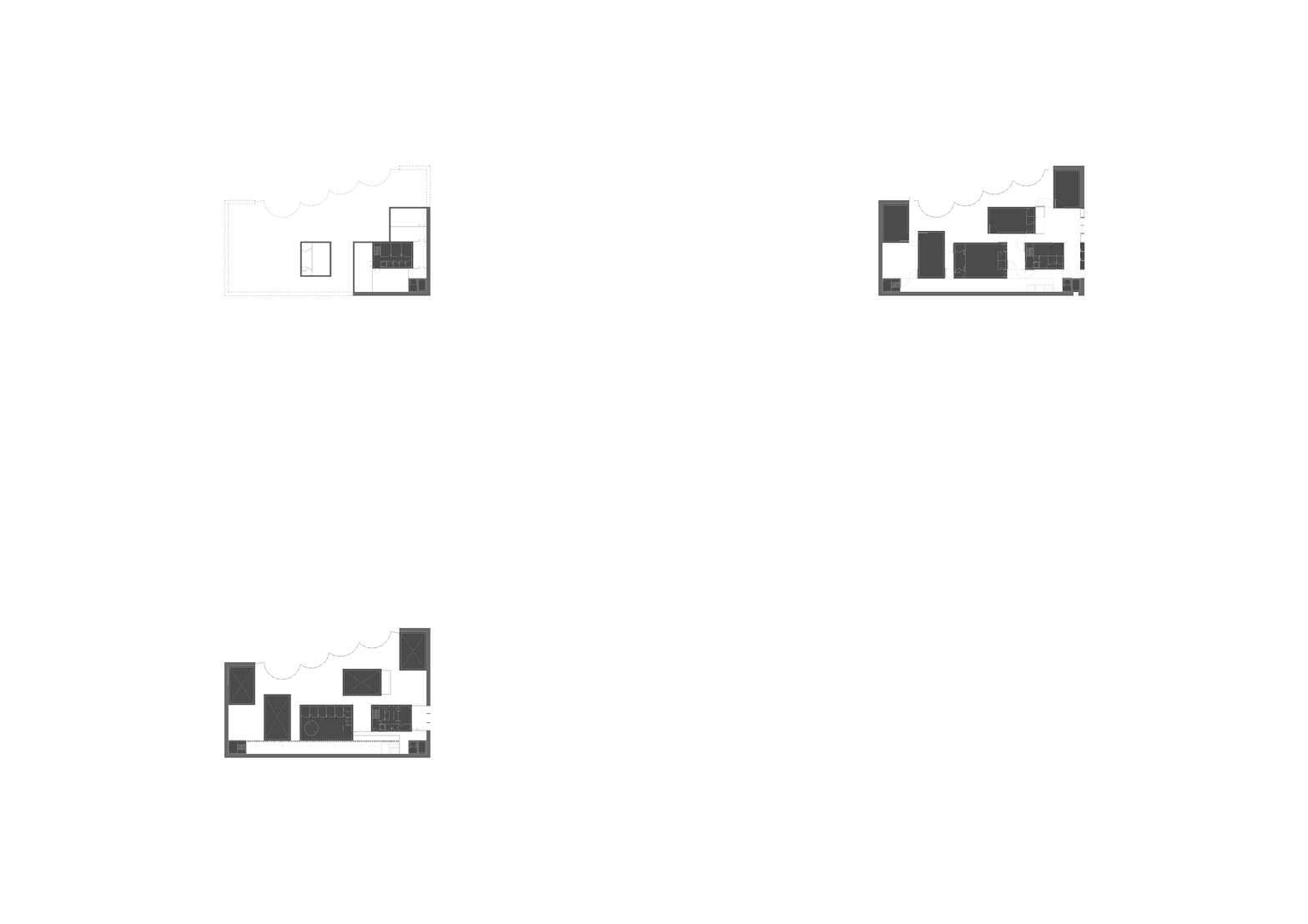

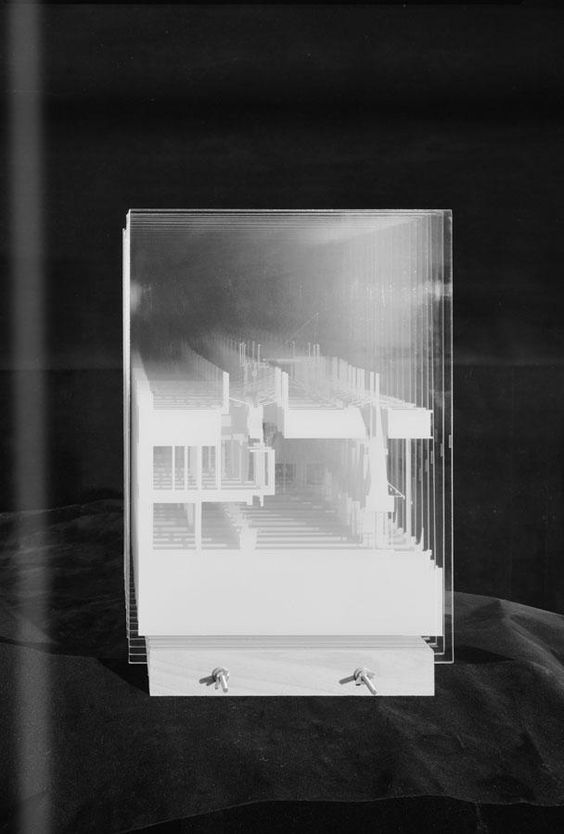
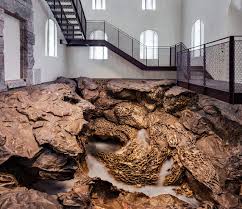
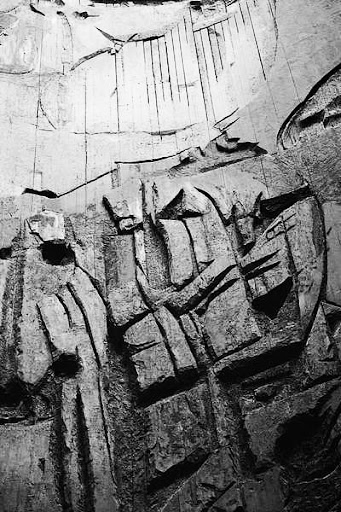
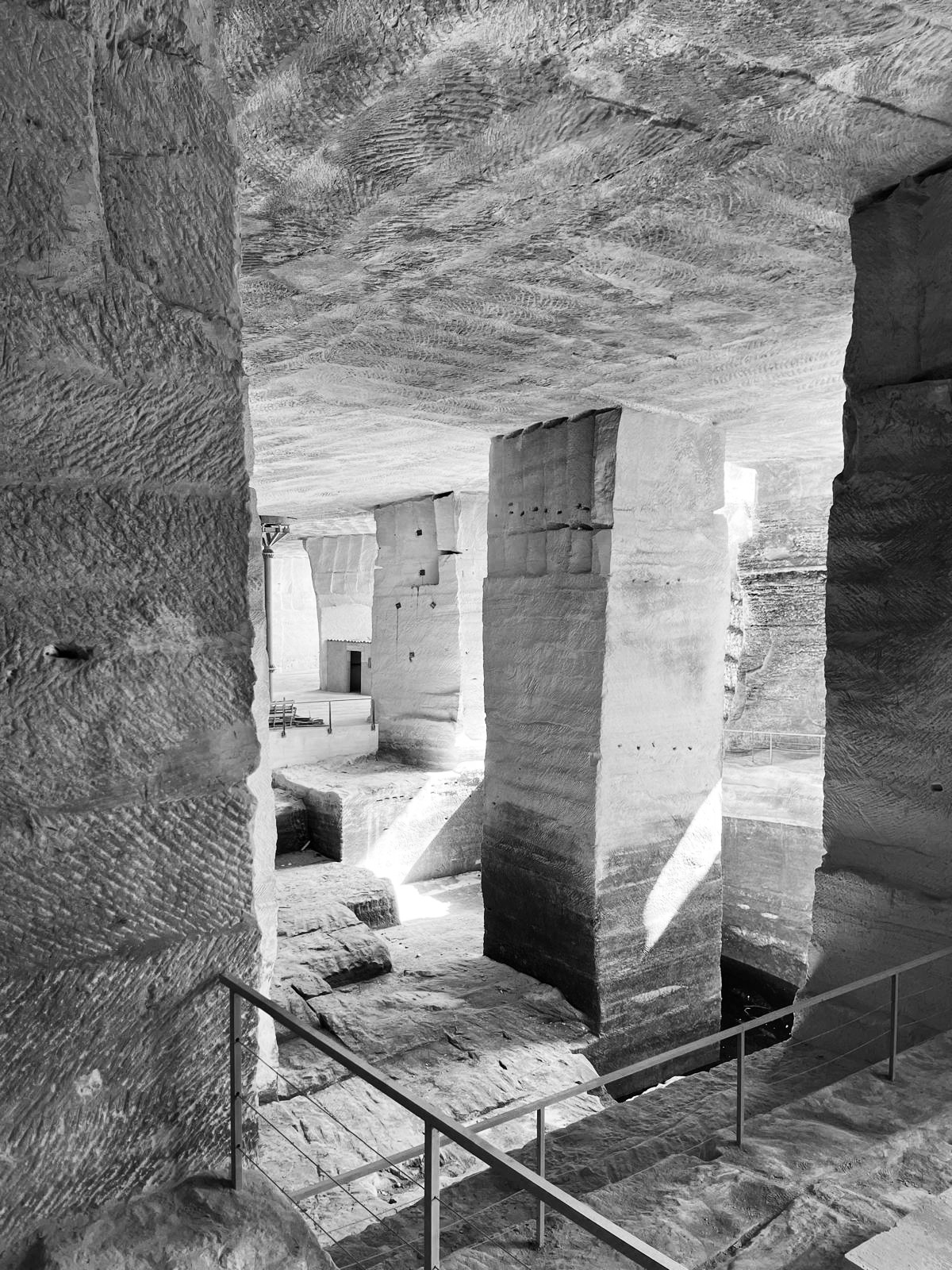
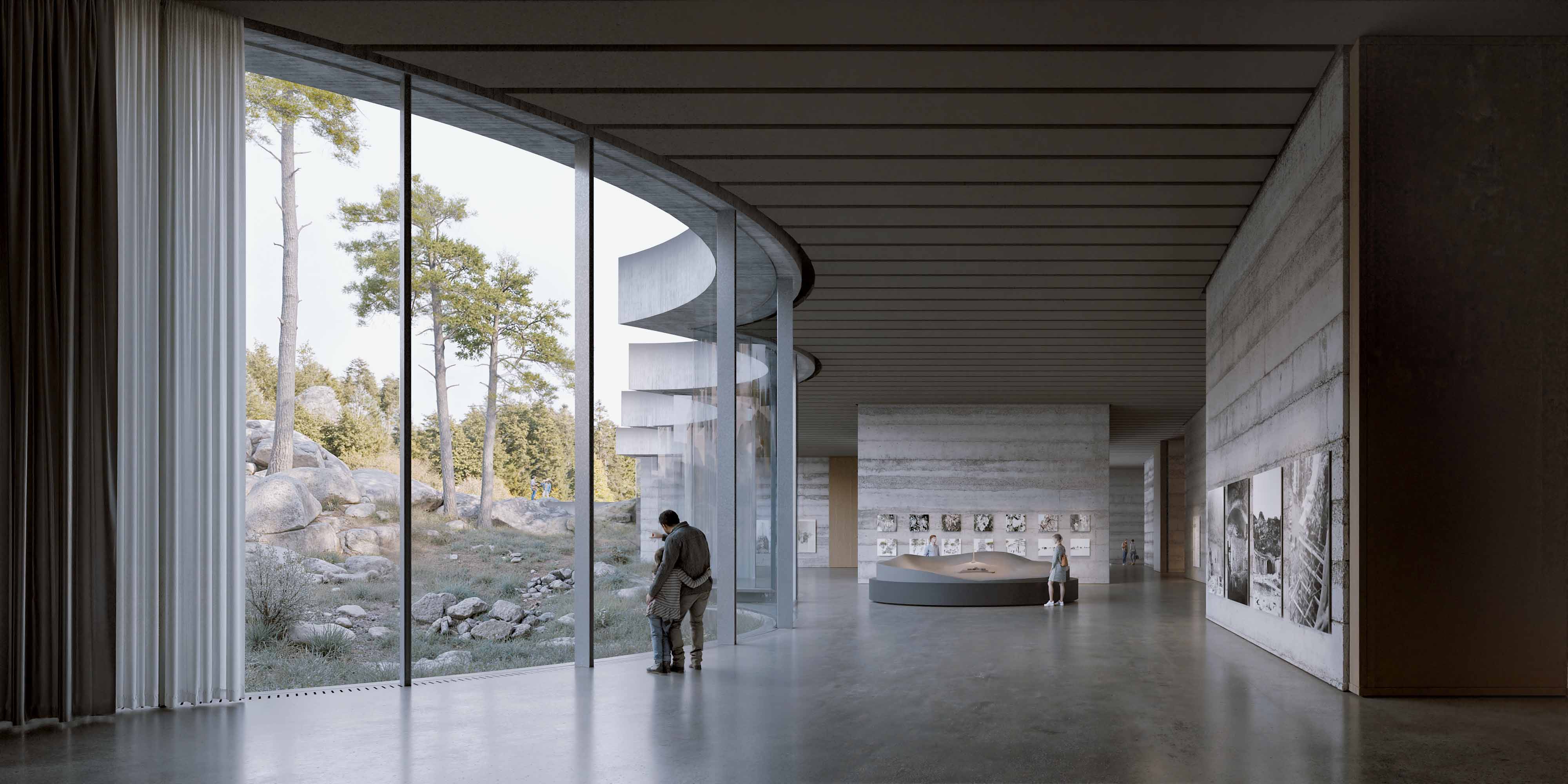
The Interpretation Centre can be likened to thoseformidable Italian quarries, of which there are still some extremely valuableexamples, such as those in Syracuse and Ragusa. These spaces are the result ofthe extraction of stone used for the construction of other architectural orinfrastructure works. In other words, the space is a remnant—what was leftempty after extraction—configured without any architectural intention. TheInterpretation Centre project, which is semi-buried, aims to have this “grotesque,but not romantic or picturesque” character, intensely tectonic, with dark andlight spaces, some clearly interior and others almost exterior, which easilyrelates to the geological condition of the Monument.
It is a “topographical construction”, a landformbuilding, which does not alter the formal configuration of the monument, whichis located where the environmental and visual impact is least, which is easilyincorporated into the routes of the complex, and which houses rooms that havethe necessary seclusion for good museography, but which also offer a view ofthe monument from a level position that links it to its telluric support.



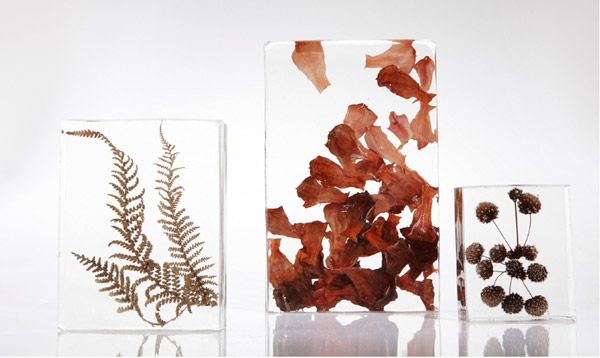
Insidethe Basilica, we propose a strategy similar to that used on the Esplanade. Theemergence of a new floor, continuous and horizontal from the entrance to thearea occasionally used for religious worship. Some stone remains return to theinterior of the Basilica, and in the chapels, small, luminous plant formsappear as offerings, alluding to the exterior. In the transept, a ‘sherpa oflight’ envelops the altar to conceal or emphasise it at different times. Itscylindrical shape, suspended in the air, is capable of radically transformingthe perception and use of this space. When the sherpa unfolds, the transeptbecomes an ambulatory, the aluminium thread drum receives grazing light andbecomes solid. When it is retracted, it forms a golden altarpiece of light forreligious celebrations. It is not a question of secularising the space, butrather, as Michael Taussig would say, a ‘form of permanent transformation ofthe grave’. We do not want to pit “Athens against Sparta”, but rather, as Mónica Ferrando says, to understand Arcadia in a different way.